Plan the customer journey, not only the product wall.
Begin with the products people understand first, then lead toward coordinated ranges and upgrade options. A visible sequence reduces the need for a long explanation and helps a salesperson recommend the next relevant product.
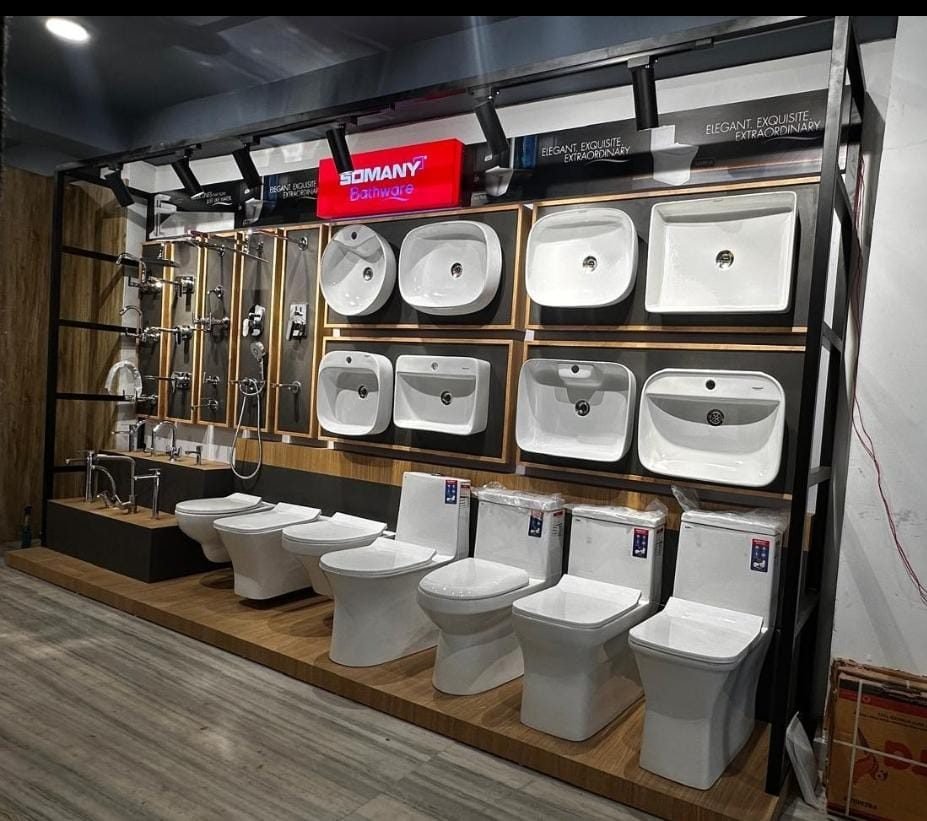
Group a range around real buying decisions.
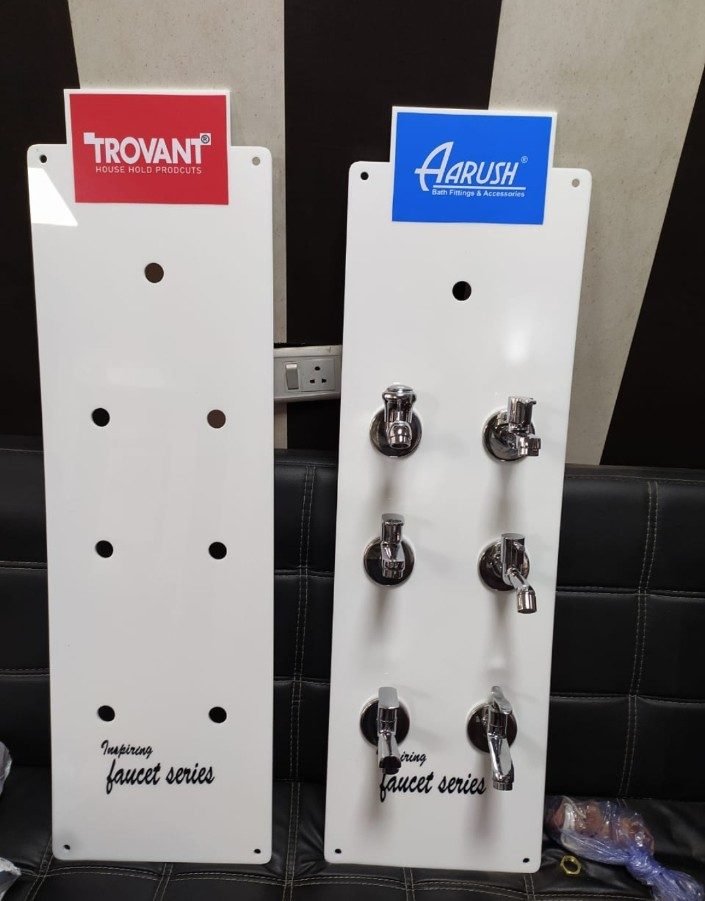
Organise fittings by room use, installation type, finish, price band or feature level—whichever makes the comparison easiest for your buyers. Avoid mixing unrelated products where the buyer cannot see why they belong together.
Make efficiency simple to explain.
When discussing water-conscious fittings, connect the product feature to the buyer's daily use, installation context and maintenance expectations. Clear benefit language works better than a list of specifications alone.
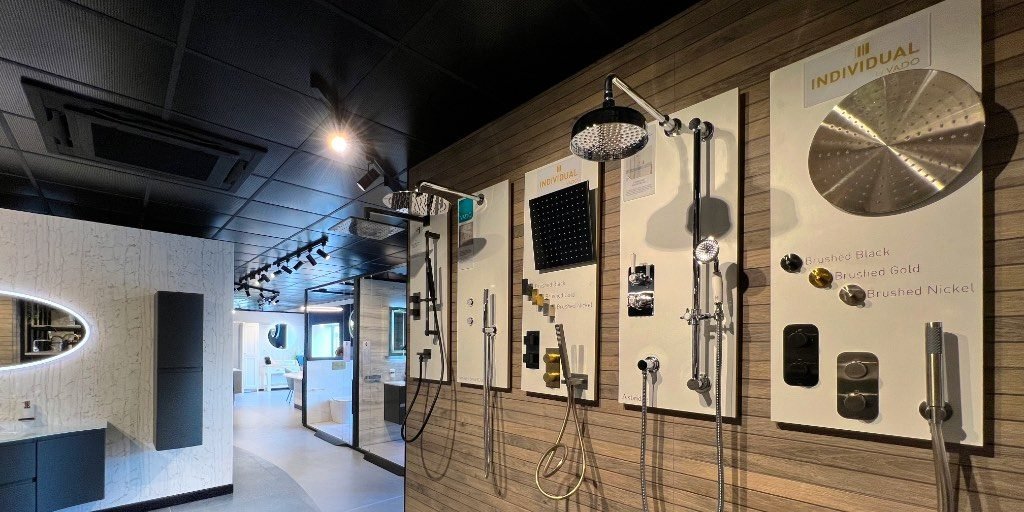
Present finishes as a coordinated choice.
Chrome, warm metallic tones, dark finishes and textured surfaces need a clean surrounding, suitable lighting and product grouping. Displaying a finish across a few related pieces makes it easier to imagine as a complete bathroom story.
Give the dealer a repeatable product story.
A dealer should be able to explain what the range is for, where it fits, what makes it different and what buyers can consider next. Keep these cues on the display, counter support material and launch communication.
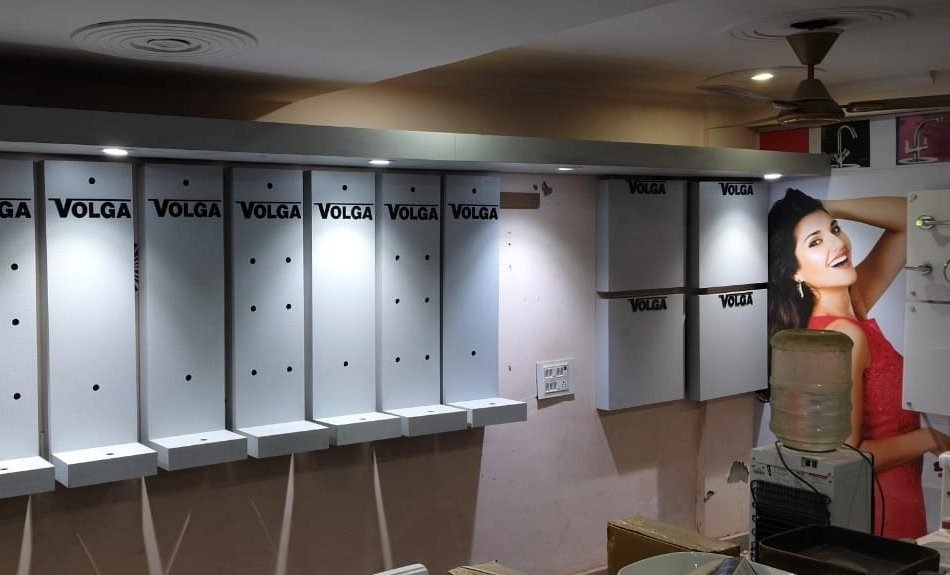
Use a hero category in a small showroom.
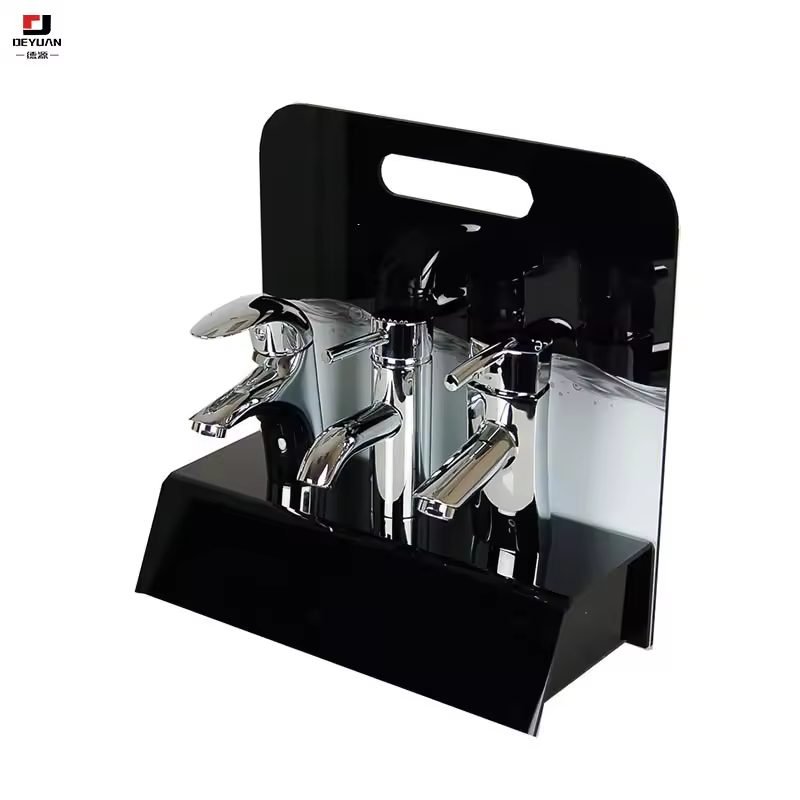
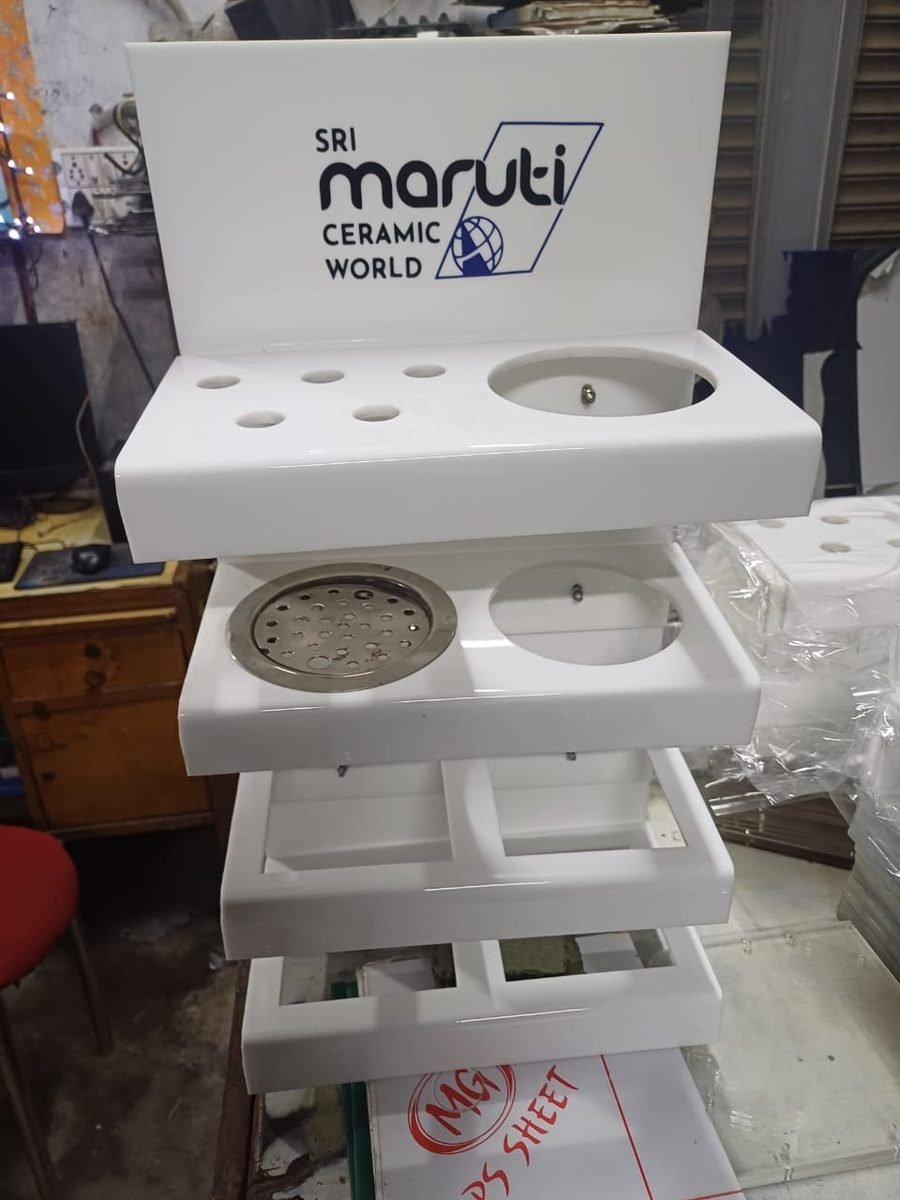
Choose one high-visibility category—such as faucets, showers or a coordinated bathroom vignette—and give it enough space to communicate quality. Supporting ranges can be introduced in focused, clearly labelled zones.
Launch a new range with a clear cue.
Use a distinct collection name, a small product grouping and a simple message that identifies the intended buyer or application. Consistency across the display, dealer material and WhatsApp communication helps the launch stay recognisable.